Illustrative photo: CHUTTERSNAP / Unsplash.
An electric-car inspection is not simply a lighter version of a combustion-car inspection. Brakes, steering, tyres, lights and visibility must be in order regardless of powertrain. The main differences concern exhaust-emissions checks and additional electrical-powertrain checks. For an owner, the useful starting point is to separate three things: the statutory periodic inspection, the manufacturer’s maintenance programme and a separate battery-health examination.
A shared foundation: roadworthiness
The inspection assesses the vehicle’s condition, compliance and registration details. Traficom’s assessment criteria include common checks on brakes, axles, steering, lights, safety equipment and windscreen equipment. An electric motor does not prevent wear in these parts, and an inspection does not replace maintenance.
Keep the purposes of the visits separate too. A service interval does not tell you the inspection deadline, and a recent inspection does not postpone work in the manufacturer’s maintenance programme. Check the next inspection date in the vehicle records and deal with servicing separately. Do not infer the schedule solely from the powertrain or last workshop visit.
Battery-electric cars: no exhaust test, but electrical-system checks
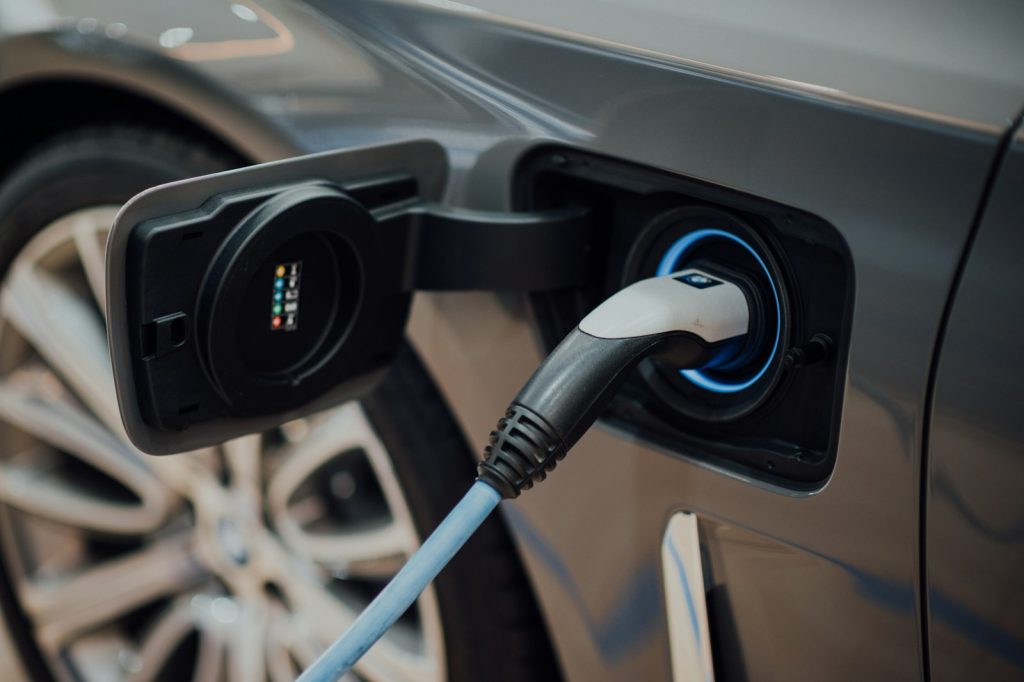
A battery-electric car has no combustion-engine exhaust emissions to measure. In addition to the ordinary safety items, however, it has electrical-powertrain checks. Section F of the regulation covers, for example, electrical-hazard markings, component mounting, visible damage, protective covers, insulation and system warnings. Assessment follows the requirements and inspection methods applicable to the vehicle.
You do not need to open the traction battery or high-voltage components to prepare for inspection, and should not do so. Tell reception about any known underbody impact, electrical-system warning or repair. A suspected safety problem needs appropriate professional servicing; do not conceal it by simply clearing the message.
Hybrids: electric driving does not remove the engine
A hybrid also has a combustion engine. It is therefore not automatically treated as a battery-electric vehicle even if recent journeys have used electricity alone. The emissions-check method depends on the vehicle’s technical details and applicable rules. The additional electric and hybrid checks also apply to the relevant systems fitted to that car.
Give the registration number and correct powertrain when booking. If the vehicle has a particular operating mode or starting procedure needed for inspection, tell the station and keep the owner’s manual available. Do not experiment with service modes found online. The inspector determines the procedure using the instructions applicable to the car.
Petrol and diesel: emissions checks do not always mean a tailpipe measurement
Combustion-engine emissions are checked using the applicable method. Traficom’s regulation distinguishes spark-ignition and diesel engines and, among other things, the effect of the first-use date. The check may use exhaust measurement or examination of the vehicle’s OBD system and warning lamp. One universal measurement instruction for every petrol, diesel and hybrid car would therefore be misleading.
The inspection does not establish remaining battery capacity
Traction-battery safety checks are not the same as measuring remaining battery capacity or state of health (SOH). Passing does not promise a particular driving range or demonstrate that the battery is as good as new. When buying a used electric car or plug-in hybrid, ask separately for battery-condition evidence and the method used to obtain it.
Before the visit: three practical steps
- Check readily visible items: working lights, visible tyre condition, wipers and washers.
- Note warnings and unusual behaviour. Follow the manual’s safety instructions; do not drive a vehicle with a known dangerous fault to have it investigated at inspection.
- Book the correct service using the registration number and ask the station about vehicle-specific preparation if necessary.
Further preparation advice is in the inspection checklist. Find a suitable location in SK’s station information.
Sources and review
- Traficom: vehicle inspection
- Traficom regulation: assessment criteria, especially section 3.4 and annex F
- Traficom: checking your inspection deadline
Information checked on 30 October 2026. Practical preparation tips are editorial applications of the sources.