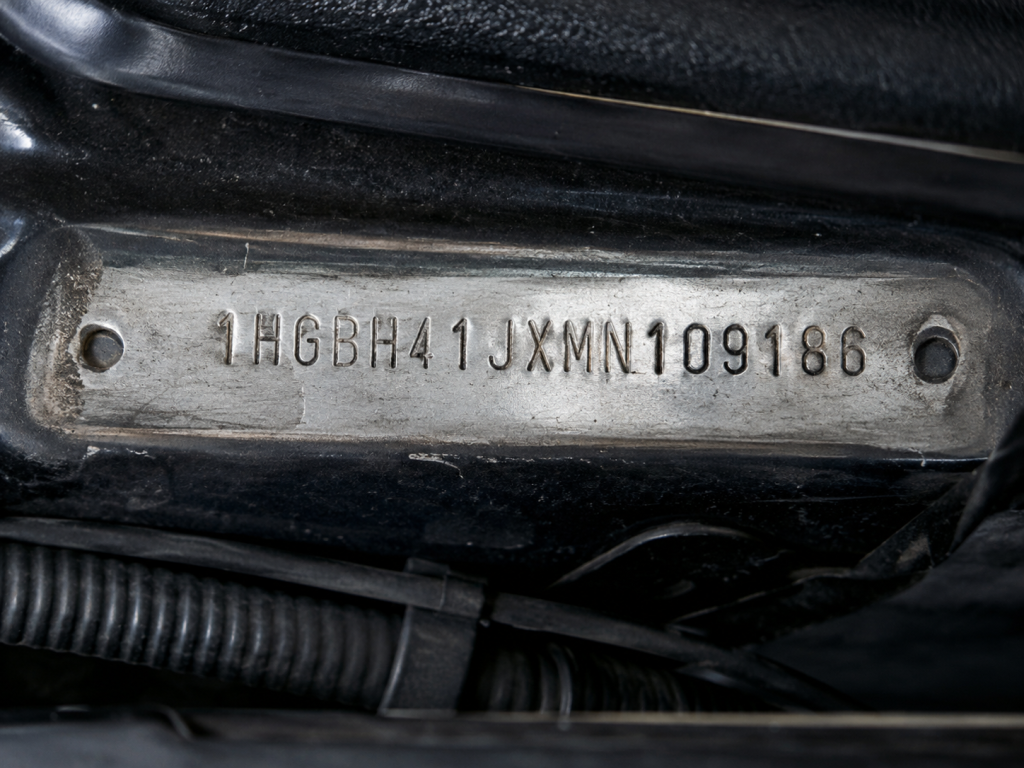
A car’s number plate is a familiar identifier, but inspection also includes checking the vehicle identification number, or VIN, marked on the vehicle. The purpose is to ensure that the car being inspected matches the registered vehicle. This check matters even when a car looks entirely ordinary and all its equipment works. Clarifying an identification problem in advance can save an extra visit and unnecessary waiting.
Under Traficom’s regulation, the VIN stamped on the vehicle is compared with the registration system details and the manufacturer’s plate. The check covers the number’s accuracy and legibility.
The same model does not mean the same vehicle
The VIN helps link the particular car to its technical details and documents. Two identical-looking cars may have different dates of first use, engines or approval details, for example. Identifying a vehicle therefore requires more than a visual check of its make, colour and number plate.
For a used-car buyer, this provides a practical check: compare the identifier on the car with the documents before purchasing. Do not settle for the model name looking correct in the advert. If any details differ, ask for an explanation before deciding.
Where is the VIN?
The location depends on the vehicle. Your car’s owner’s manual or the manufacturer’s instructions can help you find the identifiers. The number may be visible in several places, but an identifier easily seen through the windscreen does not by itself tell you where the stamping checked at inspection is located.
If you know the location, tell the inspector. Remove loose items that obstruct normal access to the inspection point. Do not dismantle structures or start sanding, painting or stamping the number yourself to make it more visible. Agree with a professional how to handle an unclear identifier.
What if the number cannot be found or does not match?
A missing, incomplete, unclear VIN or one that differs from the registration details is a vehicle-identification defect under Traficom’s inspection assessment criteria. The situation may lead to the inspection being interrupted, so it is worth clarifying it early.
However, a discrepancy should not prompt you to draw your own conclusions about crime or the car’s origin. Tell the inspection station exactly what you observed: which document is involved, where the difference appears and whether the number is difficult to read. The station will assess what further information is needed and the correct next steps.
For imported cars, compare the identifier across documents
A registration inspection requires the foreign registration documents appropriate to the vehicle’s situation and evidence of conformity. A Certificate of Conformity (CoC) is one possible way to establish technical details. Check that the documents you supply relate to the exact car you bring for inspection.
If the seller initially sends photographs of the documents, use them for a preliminary check. Do not assume that photographs replace the original documents required at inspection. Ask about document requirements before collecting the car, particularly if anything is missing.
Before your inspection visit
- I know where to find instructions for locating the car’s VIN.
- I have noted any dirt, damage or other legibility problem.
- The identifiers on the vehicle and available documents match.
- I have told the station about any uncertainty before the visit.
Choose one of our stations that offers the type of inspection you need. For an import or modification, mention this when booking so that the necessary documentation can be discussed in advance.
Three common situations to clarify
The number is somewhere other than you expected. Do not conclude that the identifier is missing after your first search. Check the correct location in your model’s owner’s manual. Tell the station if you have found only the identifier near the windscreen. The inspector can advise which other point is checked on that particular vehicle.
One character is unclear in a photograph of a document. Ask for a clearer picture or check the original document. Reflections or cropping can make it difficult to read. Do not change a character on your own document copy based on what you think it says. Preserve the original information so that the discrepancy can be clarified reliably.
The vehicle identifier and document clearly differ. Stop guessing and gather the relevant information. Which number appears where, and where did the document come from? If you are buying the car, ask the seller to clarify the discrepancy before finalising the purchase. If you already own it, ask the station about the correct procedure before your inspection visit.
What should you mention when booking?
Even a short advance explanation helps: say that the question concerns vehicle identification and describe the type of problem. Mention any import history or repair to the identifier area if you know about it. Do not send the entire document folder through a general feedback channel without first asking what evidence is needed and how to supply it.
The overview of inspection services can help you choose a service. Other preparations for an ordinary visit are covered in the inspection checklist. The aim is for the station to work with the correct vehicle and information rather than spend the visit searching for missing background details.
Traficom: Periodic inspection assessment criteria, Annex 1, A1 and Traficom: Registration inspection. Information checked on 8 October 2026. Practical preparation guidance was compiled by the editorial team.